

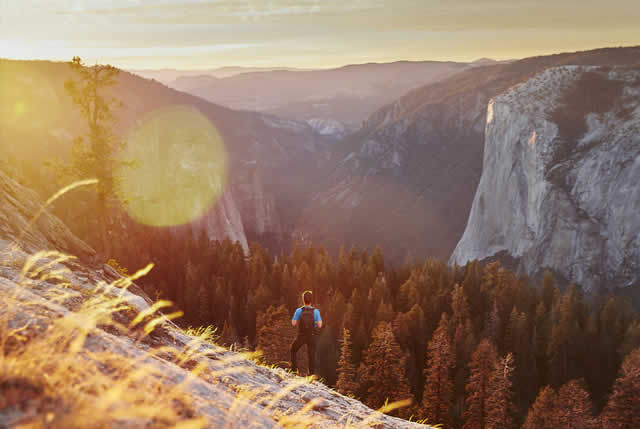
Planning a summer hike through Yosemite National Park can feel overwhelming—permits, campground reservations, gear lists, and safety concerns all compete for your attention before you’ve taken a single step on the trail.
Here’s the short answer: a successful Yosemite summer hike comes down to three things—securing the right permits early, booking your overnight accommodations months in advance, and packing thoughtfully for the park’s varied terrain and weather.
This guide walks you through each part of the planning process so you can spend less time worrying and more time soaking in those granite cliffs and alpine meadows. Whether you’re tackling this trip this summer or saving it for the next, you’ll find everything you need to prepare with confidence.
Yosemite welcomes nearly four million visitors a year, with summer being the busiest season. That popularity means a little planning goes a long way. Let’s get you ready for the adventure.
Securing Your Yosemite Wilderness Permit
If you’re planning to spend even one night in Yosemite’s backcountry, you’ll need a wilderness permit. These permits protect the park’s fragile ecosystems by limiting how many people use each trailhead each day. Demand is high during summer, so don’t leave this to chance.
The National Park Service manages wilderness permits through a reservation system on Recreation.gov. Reservations open in a rolling window, typically up to 24 weeks before your trip date. A portion of permits is also held back for first-come, first-served release closer to your departure, but relying on these can be risky during peak months.
When you apply, you’ll choose your entry trailhead and your first night’s destination. Popular routes—like those leading to Half Dome or the High Sierra Camps—fill quickly, so flexibility with dates and trailheads improves your odds.
Day hikers generally don’t need a wilderness permit, but Half Dome’s cable route is a notable exception and requires its own separate permit.
Navigating Overnight Stays and Campground Reservations
Where you sleep shapes your whole trip. Yosemite offers a range of options, from developed campgrounds with amenities to remote backcountry sites where solitude is the main attraction.
If you prefer a campground base, reservations are essential during summer. Yosemite’s most sought-after campgrounds—including those in Yosemite Valley—often sell out within minutes of becoming available on Recreation.gov. Reservations are released in monthly blocks, usually five months ahead, so mark your calendar and log in early.
For backcountry campers, your wilderness permit covers where you can stay overnight. You’ll need to camp at least a few miles from trailheads and follow regulations on distance from water sources and trails.
Bear-resistant food canisters are required throughout much of the wilderness, and they protect both you and the park’s black bears. If campgrounds and backpacking aren’t your style, the park’s lodges and nearby gateway towns offer beds and hot showers—book these well ahead too.
Essential Gear for Your Yosemite Hiking Adventure
Smart packing makes the difference between a comfortable hike and a miserable one. Yosemite’s summer days can be hot in the valley yet surprisingly cold at higher elevations, so layering is your friend.
Start with the basics outlined in trusted backpacking checklists from outfitters like REI. You’ll want a well-fitted backpack, broken-in hiking boots, moisture-wicking clothing, and a reliable rain shell. Even in summer, afternoon thunderstorms roll through the high country, and temperatures drop quickly after sunset.
Carry plenty of water and a way to treat more from streams, since dehydration is a common problem on exposed granite trails. Pack high-energy food, a map and compass or GPS, sun protection, a headlamp, and a basic first-aid kit.
Don’t forget your bear canister for overnight trips. A little extra weight in preparedness is far better than being caught short miles from the trailhead.
Staying Safe on Yosemite’s Trails
Yosemite’s beauty comes with real hazards, and respecting them keeps your adventure memorable for the right reasons. The Yosemite Conservancy emphasizes preparation and awareness as the foundation of wilderness safety.
Altitude affects many hikers, especially those arriving from sea level. Give yourself time to acclimate, drink water steadily, and turn back if you feel dizzy or unwell. Water crossings can be deceptively powerful in early summer when snowmelt swells rivers and waterfalls—never wade into fast-moving water, and stay behind railings near falls.
Wildlife encounters call for calm and distance. Store all food and scented items in bear canisters, and never approach or feed animals. Tell someone your itinerary and expected return time before you set out, since cell service is unreliable across much of the park.
Finally, check trail conditions and weather forecasts with rangers before heading out, as conditions can change fast in the high country.
Respecting the Wilderness: Leave No Trace Principles
Yosemite remains breathtaking because generations of visitors have cared for it. Following Leave No Trace principles keeps it that way for those who come after you.
Pack out everything you pack in, including food scraps and toilet paper. Stay on established trails to prevent erosion and protect fragile meadow plants. Camp on durable surfaces, keep a respectful distance from water sources, and use a stove rather than building fires where they’re restricted.
Keeping noise low and giving wildlife space lets everyone enjoy the natural quiet that makes Yosemite special. These small acts of stewardship add up, ensuring the park’s wild character endures.
Exploring Yosemite’s Iconic Summer Trails
Once your logistics are sorted, the trails await. Yosemite’s summer hiking ranges from gentle valley strolls to demanding multi-day expeditions, so there’s something for every fitness level.
The Mist Trail is a classic, leading past the thundering Vernal and Nevada Falls—expect to get wet from the spray, which feels wonderful on a warm day.
For a bigger challenge, the Half Dome hike rewards permit-holders with one of the most famous summits in the country, though the final cable ascent demands nerve and fitness. The High Sierra loop and trails around Tuolumne Meadows offer high-country beauty with wildflowers and alpine lakes during peak summer.
Choose a route that matches your experience and the time you have. Starting early helps you beat crowds, afternoon heat, and the storms that often build over the peaks by midday.
Frequently Asked Questions About Yosemite Hiking
Do I need a permit for day hiking in Yosemite?
Most day hikes don’t require a permit. The major exception is the Half Dome cable route, which requires a separate day-use permit obtained through a lottery on Recreation.gov.
When should I book my Yosemite trip?
Aim to plan several months ahead. Wilderness permits open roughly 24 weeks before your trip, and popular campgrounds are released about five months in advance and sell out quickly.
Is a bear canister really necessary?
Yes. Bear-resistant food canisters are required throughout most of Yosemite’s wilderness. They protect both hikers and the park’s black bears from dangerous food-related encounters.
What’s the best time for summer hiking?
Late June through August offers the most accessible high-country trails, as snow has typically melted. Early summer brings powerful waterfalls but also high, fast rivers from snowmelt.
Your Yosemite Adventure Awaits
A memorable Yosemite hike starts long before you reach the trailhead. By securing your permits early, locking in overnight reservations, packing the right gear, and respecting both safety guidelines and the wilderness itself, you set the stage for an unforgettable experience. Take the planning seriously, and the park will reward you generously.
Start by checking permit availability and trail conditions on the National Park Service website, then build your packing list and reservation timeline. Whether you go this summer or next, Yosemite’s granite domes and rushing falls will be waiting.
- National Park Service. (2024). Yosemite National Park – Wilderness Permits & Reservations. Retrieved from https://www.nps.gov/yose/planyourvisit/wildpermits.htm
- Yosemite Conservancy. (2024). Wilderness and Trail Safety. Retrieved from https://yosemite.org
- REI Co-op. (2024). Backpacking Checklist. Retrieved from https://www.rei.com/learn/expert-advice/backpacking-checklist.html
image credit: envato.com
Comments