

Florida often appears in headlines that highlight extremes, humor, or shock, which shape assumptions long before any visit happens. That gap between reputation and reality explains why Florida is often misunderstood by people who’ve never lived there.
Outsiders usually rely on clips, jokes, or isolated events instead of daily life. Residents experience routines shaped by work, family, weather patterns, and regional culture.
These details rarely travel far beyond state lines. Misunderstanding grows when scale, diversity, and geography are ignored. Looking closer reveals a place shaped by practical choices, long histories, and constant change.
The Gap Between Headlines and Everyday Reality
National attention often highlights rare incidents, which skews how Florida appears from a distance. News cycles reward shock, so unusual stories travel faster than ordinary routines.
Meanwhile, daily life follows predictable patterns shaped by work schedules, traffic, and local weather. As a result, perception drifts away from reality. Visitors often judge quickly without experiencing the destination in a meaningful way.
That gap widens when the entertainment media repeats the same jokes. However, context changes everything. Grocery stores, school pickups, and commutes define most days. Those moments never trend online. Consequently, assumptions grow louder than facts.
Over time, repetition replaces accuracy. Understanding improves only when focus shifts toward normal life. Florida looks different when viewed through everyday habits instead of headlines.
Population Growth and the Power of Newcomers
Florida ranks among the most populous states, which naturally increases visibility. More residents mean more stories, both ordinary and unusual. As coverage grows, context often shrinks. At the same time, constant migration reshapes daily life.
Retirees arrive because of the climate and tax structure. Professionals move to expand job markets. Students follow major universities and research centers. Consequently, traditions mix and regions evolve. Different backgrounds influence food, neighborhoods, and expectations.
That blend creates contrasts across cities. Therefore, broad labels fail quickly. Florida changes fast because people keep arriving, and each group leaves a mark.
Weather Myths and Everyday Climate Adjustments
Many assume Florida stays unbearably hot all year, yet seasons create clear changes. Summers bring heat and humidity, while winters feel mild and manageable. Residents adjust their routines instead of fighting the climate.
Therefore, smart storage habits matter during warmer months. Heat can damage electronics, photos, and certain fabrics. You may wonder how to store your belongings safely in Florida’s heat. Namely, airtight containers help regulate moisture while keeping your things protected.
Climate-controlled storage prevents warping, mold, and heat stress. Shade and ventilation also reduce long-term wear. These habits reflect practical living, not fear. Therefore, climate awareness becomes second nature. Florida weather rewards preparation and flexibility rather than constant concern.
One State With Many Distinct Regions
Florida stretches long and wide, which creates sharp regional contrasts. Northern areas reflect Southern traditions and cooler winters. Central zones balance growth, industry, and suburban life. Southern cities show strong Caribbean and Latin influence. Coastal areas differ from inland towns in pace and priorities.
This variety explains why Florida is often misunderstood by people who’ve never lived there. Outsiders often treat the state as a single place. However, geography shapes habits, food, and accents. Driving a few hours can change the entire atmosphere.
Therefore, general statements rarely hold true. Florida functions as several regions sharing borders, not one uniform experience.
Preparedness Shapes Daily Confidence
Florida invests heavily in storm readiness and infrastructure planning. Building codes address wind resistance and flooding risks. Cities maintain clear evacuation routes and communication systems.
Preparation becomes routine rather than dramatic. During cooler months, safety planning blends with seasonal travel decisions. Many visitors plan the perfect Christmas holiday trip to Florida because the conditions are stable and mild.
Emergency systems continue operating year-round, not only during storms. Consequently, residents trust the process. Familiarity reduces panic and supports quick response. This steady approach contradicts assumptions of chaos. Florida handles risk through structure, repetition, and long-term planning.
Work, Culture, and Daily Priorities is also Why Florida Is Often Misunderstood by People
- Tourism supports many jobs, yet other industries drive steady growth. Aerospace, healthcare, logistics, and agriculture employ millions statewide. Therefore, career paths extend far beyond hospitality.
- Public universities and research centers anchor innovation across the state. Space research, medical studies, and marine science attract global partnerships. As a result, academic influence continues expanding.
- Cultural influences reflect migration from Latin America, the Caribbean, and Europe. Food, music, and traditions vary by region. Consequently, daily life changes noticeably from city to city.
- Lifestyle choices often confuse outsiders. Many residents balance demanding careers with outdoor routines. Flexible schedules reflect climate and geography, not lack of ambition.
- Professional environments operate year-round. Business districts remain active beyond tourist seasons. That rhythm shapes priorities differently than colder states.
- Education, culture, and work intersect daily. Together, these elements form a practical and adaptable way of living.
How Media Framing Shapes Perception
National media often focuses on extremes because attention drives revenue. Repetition turns rare events into assumed patterns. Over time, humor replaces nuance. Social platforms accelerate this cycle through selective sharing.
Meanwhile, everyday routines rarely gain exposure. Travel coverage follows similar habits. Generic stories overlook local context. However, thoughtful planning encourages personalizing your travel and noticing smaller details. Street layouts, schedules, and neighborhoods reveal far more than headlines.
Consequently, perception shifts with effort. Media framing simplifies Florida for quick consumption. Real understanding grows through observation, patience, and comparison rather than repetition.
Conclusion: Looking Beyond the Shortcut Version of Florida
Misunderstanding fades when surface-level stories lose their grip. Florida challenges easy labels because they change from county to county and year to year. That complexity explains why Florida is often misunderstood by people who’ve never lived there.
Life here follows patterns shaped by migration, climate planning, and economic reality, not punchlines. Judging the state from afar removes the context that residents experience daily.
A clearer view comes from patience, curiosity, and attention to ordinary details. Florida rarely fits the story told about it, and that mismatch fuels confusion more than facts ever do.
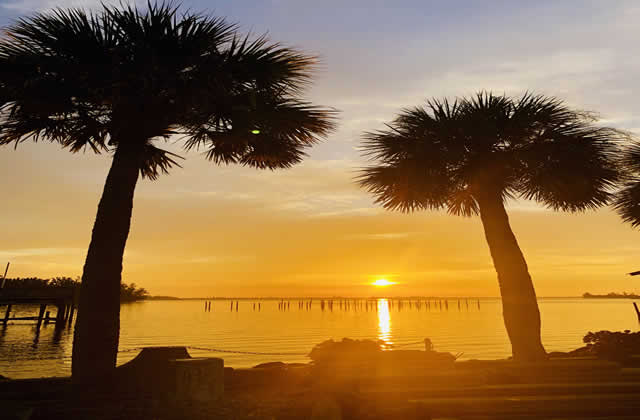
image credit: why Florida is often misunderstood envato.com
Comments