

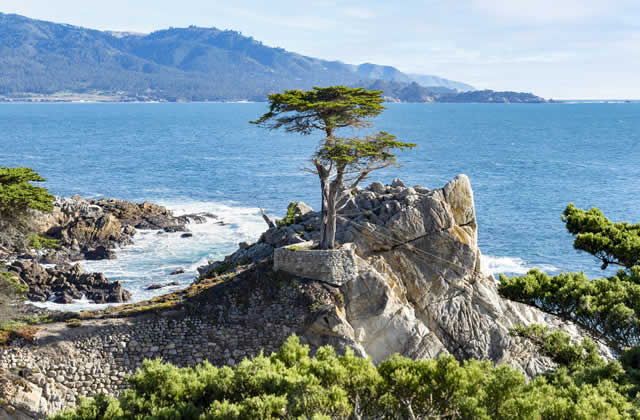
Monterey is not a place where nature sits in the background. It leads the pace of daily life, shapes local habits, and gives the region its identity. From the cold Pacific waters to the rocky shore and coastal hills, the environment influences how people work, eat, celebrate, and spend their free time.
That is why Monterey Bay’s ecology shapes local culture in ways visitors can feel almost at once. Many people first notice the beauty through a travel blog, but the real story goes deeper than scenery.
In Monterey Bay, culture grows from the land, the sea, and the living systems that connect them.
Why does Monterey Bay’s natural setting matter so much?
Monterey Bay stands apart because its ecology is active, visible, and woven into daily routines. The bay includes kelp forests, sandy beaches, wetlands, rocky cliffs, and nearby farmland.
This mix creates an environment that supports sea otters, whales, seabirds, fish, and plant life that people here know well. The region’s cool air, shifting fog, and ocean currents also shape how towns feel from morning to evening.
Nature in Monterey is not treated as a separate attraction. It affects where people gather, what businesses grow, and how local stories are passed down.
Residents learn early that the coast is both beautiful and powerful. They understand tides, seasons, marine life, and weather patterns because these are part of normal life. That direct connection gives the area a culture built on observation, care, and respect for place.
How the ocean shapes daily life in Monterey
The ocean has long directed the region’s rhythm. Monterey’s fishing history still matters, even as the local economy has expanded into tourism, research, and hospitality. Harbors, wharves, and shoreline streets reflect a long relationship with the sea.
Boats heading out in the morning, seafood arriving fresh, and marine tours leaving the docks all show how the bay continues to guide local activity.
This relationship is not only economic. It also shapes the mindset. People pay attention to migration seasons, wave conditions, and marine changes because the water is part of everyday awareness. Whale watching trips, kayaking, diving, and shoreline walks are not treated as rare events. They are normal ways to connect with home.
In this setting, Monterey Bay’s ecology shapes local culture by keeping the sea at the center of work, recreation, and local memory.
Local food traditions rooted in the bay’s ecosystems
Food in Monterey reflects both ocean access and a productive coastal landscape. Fresh seafood plays a clear role in local identity, but the story does not stop there.
Nearby farms benefit from the area’s climate, making local produce just as important to the region’s tables. Restaurants, markets, and home kitchens often bring these two systems together, pairing fresh catch with crops grown nearby.
That creates a food culture that feels seasonal and grounded. People value ingredients that come from the bay and the surrounding land because they represent the place itself. A meal in Monterey often tells a local story without needing to say much.
It may reflect fishing tradition, coastal farming, or a commitment to careful sourcing. In that sense, food becomes a clear example of how ecology turns into culture.
Outdoor recreation as a cultural tradition
In Monterey, recreation grows naturally from the landscape. Time outside is not only about fitness or sightseeing. It is part of how people stay in touch with the coast, the seasons, and the habits that shape local life.
Families return to familiar beaches, trails, and scenic overlooks year after year, turning simple outings into lasting traditions. As a newcomer, this rhythm can feel like a natural way of exploring your new surroundings while learning how closely the community lives with the bay.
That connection becomes clear when people experience the many things to do in Monterey that depend on the shoreline, forests, and marine habitats.
Tide pooling, coastal walks, paddle sports, birdwatching, and scenic cycling all reflect the setting itself. Local recreation follows the shape of the environment, and some of the most common ways people connect with the landscape include:
- walking coastal trails with ocean views
- visiting tide pools during safe low tides
- kayaking near kelp beds and calm shoreline areas
- watching migrating whales and local seabirds
- enjoying beaches, bluffs, and picnic spots with family
Because these experiences fit easily into daily and seasonal life, they help define what home feels like in Monterey.
Seasonal events inspired by the coast and climate
Monterey’s calendar also reflects its environment. Spring and early summer bring blooms, wildlife activity, fresh energy, and longer days that draw people outdoors.
Community gatherings often feel stronger during these periods because the coast invites movement and social life. Art shows, food events, public markets, and cultural celebrations all gain meaning from the surrounding setting.
That connection becomes clear when Monterey is considered alongside other seasonal gatherings, including spring festivals worth visiting across the United States. What makes Monterey stand out is the way local events feel shaped by the coast itself.
The climate, the scenery, and the natural timing of the region influence the atmosphere of public life. Here again, Monterey Bay’s ecology shapes local culture by guiding when and how people come together.
Monterey Bay is a road trip destination shaped by nature
The trip to Monterey is often part of the appeal. Coastal roads, ocean overlooks, and changing landscapes prepare visitors for a place where the environment leads the experience. Travel feels slower here in the best sense. People stop more often, look longer, and pay closer attention to what surrounds them.
That makes Monterey a strong match for travelers planning a smooth road trip with their dog, since the area offers scenic drives, outdoor stops, and many chances to enjoy the coast at a relaxed pace.
Pet-friendly walks, open-air viewpoints, and beachside moments all show how the local landscape shapes travel choices. Even short visits feel more grounded because the ecology is so present from start to finish.
Monterey Bay’s ecology shapes local culture, and you can notice it!
The best way to experience Monterey is to notice how closely daily life remains tied to the bay. Choose local businesses that reflect the region, spend time outdoors with care, and treat the coast as a living place rather than a backdrop.
When visitors do that, they understand something important: Monterey Bay’s ecology shapes local culture through every layer of life, from identity and tradition to food, leisure, and community values.
image credit: envato.com
Comments