

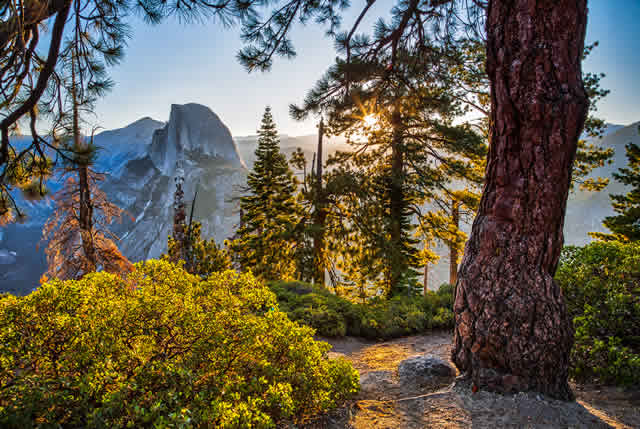
You’ve got the list saved, the map pinned, and a growing sense that visiting every US national park isn’t just a dream—it’s a plan waiting to happen.
The good news: with 63 national parks spread across 30 states and two territories, a structured five-year roadmap makes this goal not only achievable but genuinely enjoyable.
The key is knowing the scope of what you’re tackling, organizing by region, and building enough flexibility into your plan to handle the inevitable surprises along the way.
Understanding The Full Scope
The United States has exactly 63 designated national parks, spread across locations ranging from the Florida Everglades to the Arctic wilderness of Alaska.
California leads all states with nine parks, followed by Alaska with eight, Utah with five, and Colorado with four. That geographic concentration matters enormously when planning efficient travel routes.
It’s worth distinguishing national parks from the broader National Park System, which encompasses over 400 units including national monuments, historic sites, seashores, and parkways.
According to the National Park Service, a national monument is typically smaller than a national park and preserves at least one nationally significant resource, whereas a national park contains a variety of resources across large land or water areas to help provide adequate protection.
A trip to Muir Woods National Monument, stunning as it is, does not check off a national park on your list. Keeping that distinction clear from the outset prevents confusion and helps you track real progress.
Building Your Five-Year Roadmap
The most effective way to visit all 63 parks without backtracking unnecessarily is to organize your travel by geographic clusters.
Think of the five years as five broad chapters: the East and Southeast, the Midwest and Great Plains, the Rocky Mountain region, the Southwest, and finally the Pacific Coast, Hawaii, and Alaska.
-
Year One (1)
Year one lends itself well to the Eastern parks, which are generally more accessible by car and offer shorter travel distances between destinations.
Great Smoky Mountains in Tennessee and North Carolina is the most visited national park in the country, making it a logical early stop that sets the tone for what lies ahead. Pairing it with Shenandoah in Virginia, Congaree in South Carolina, and Acadia in Maine during a single extended road trip covers significant ground efficiently.
Indiana Dunes, Cuyahoga Valley, Mammoth Cave, and New River Gorge—the country’s newest national park, designated on December 27, 2020—round out a strong Eastern itinerary.
-
Year Two (2)
Year two works well for the Midwest, Great Plains, and Northern Rockies. Badlands and Wind Cave in South Dakota, Theodore Roosevelt in North Dakota, and Voyageurs in Minnesota cluster naturally together.
From there, transitioning south into Yellowstone and Grand Teton in Wyoming sets up a natural bridge into year three territory.
-
Year Three (3)
The Rocky Mountain parks deserve their own focused chapter. Colorado’s four parks—Rocky Mountain, Mesa Verde, Great Sand Dunes, and Black Canyon of the Gunnison—pair efficiently with Glacier in Montana.
Timing this chapter for late summer or early fall rewards travelers with optimal weather and peak scenery.
-
Year Four (4)
Year four belongs to the Southwest and Pacific Coast. Utah’s five parks—Arches, Bryce Canyon, Canyonlands, Capitol Reef, and Zion—form what many call the Mighty Five and reward a dedicated two-week loop.
Arizona’s Grand Canyon, Petrified Forest, and Saguaro add depth. Carlsbad Caverns and White Sands in New Mexico, Big Bend and Guadalupe Mountains in Texas, and Death Valley straddling
California and Nevada complete the desert chapter before transitioning northward to California’s nine parks and the Pacific Northwest trio of Olympic, Mount Rainier, and North Cascades in Washington.
-
Year Five (5)
Year five is reserved for Hawaii and Alaska, the parks requiring the most logistical investment. Haleakala and Hawai’i Volcanoes are accessible through standard flights to the islands.
Alaska’s eight parks—Denali, Glacier Bay, Katmai, Kenai Fjords, Wrangell-St. Elias, Gates of the Arctic, Kobuk Valley, and Lake Clark—require careful planning given their remote locations, limited infrastructure, and short visitor seasons.
American Samoa and the Virgin Islands, each home to a national park, can be incorporated during this final year or slotted into any year where travel budgets allow for island destinations.
Strategic Budgeting And Logistics
The America the Beautiful Annual Pass is the single most important financial tool for this journey. As of January 1, 2026, US residents pay $80 per year for the pass, which covers entrance fees at all 63 national parks.
Over five years, that totals $400 in park entrance fees—a modest figure given the scope of the undertaking. The pass is now available digitally through Recreation.gov, allowing instant purchase and storage on mobile devices (U.S. Department of the Interior, November 2025).
Accommodation costs vary considerably. Campground fees typically run $20 to $30 per night and offer the added benefit of serving as your timed-entry reservation at several parks that require advance booking.
Lodges within parks range from $150 to $400 or more per night, depending on location and season. Building a mix of camping and lodging into your planning controls costs while maintaining comfort across a five-year journey.
Flights to Alaska and Hawaii represent the largest single-trip expenses and should be researched well in advance. For continental parks, a reliable vehicle—or an RV for those who prefer it—minimizes transportation complexity across multi-park road trips.
Navigating Reservations And Peak Season
The reservation landscape at US national parks has grown significantly more complex in recent years, and understanding it is now essential to any serious planning effort. Multiple parks require timed-entry reservations or special permits during peak seasons, typically running from late spring through early fall.
Arches National Park in Utah requires a timed-entry reservation costing $2 per vehicle from April through October. Glacier National Park in Montana requires vehicle reservations for three separate sections of the park—Going to the Sun Road, North Fork, and Many Glacier—between June and late September.
Rocky Mountain National Park implemented a 2026 timed-entry system beginning May 22, with two reservation zones: the Bear Lake Road Corridor from 5 a.m. to 6 p.m., and the rest of the park from 9 a.m. to 2 p.m. (Visit Grand County, 2026).
Zion’s Angel’s Landing trail requires a permit selected through a lottery system. Yosemite’s Half Dome also operates on a lottery permit structure.
All federal reservations are managed through Recreation.gov, which serves as the central booking platform for national park entry, camping, permits, and passes. Booking lodging and camping six to twelve months in advance is a sound general rule.
For timed-entry reservations specifically, most parks release tickets on a rolling monthly basis, so monitoring release dates and booking the moment availability opens dramatically improves your chances of securing the times you want.
Traveling during shoulder seasons—May and September in particular—reduces competition for reservations, cuts accommodation costs, and often delivers more comfortable temperatures than peak summer travel.
Transportation Strategy
For the continental United States, a fuel-efficient vehicle capable of handling unpaved roads offers the best combination of flexibility and cost control. An RV simplifies accommodation logistics considerably, particularly for the Alaska and Great Plains chapters where lodging options are limited, though fuel costs and campsite fees offset some of that convenience.
For Alaska, small charter flights and guided boat tours are often necessary to reach remote parks like Katmai, Lake Clark, and Kobuk Valley—logistics that require booking several months ahead through authorized outfitters.
Tracking Progress And Staying Motivated
Documenting your visits sustains motivation across a multi-year effort. The NPS App allows you to check parks visited, access trail maps, and log your progress. Many travelers keep a dedicated journal or travel blog alongside photo archives organized by park.
Collecting the free Junior Ranger stamps or the America the Beautiful passport stamps available at each park creates a tangible record of every milestone.
Revisiting your five-year roadmap annually is just as important as building it in the first place. Work schedules shift, parks add new reservation requirements, and personal interests evolve. Treating the plan as a living document—adjusted each year based on what you’ve learned—keeps the journey sustainable and genuinely rewarding over the long term.
A Journey That Rewards The Committed
Visiting all 63 US national parks over five years is a serious undertaking, but it is well within reach for travelers who plan with purpose. The geographic clustering strategy minimizes wasted travel time, the America the Beautiful Pass keeps entrance costs manageable, and early reservation habits protect your access to the parks that require them.
Start with the Eastern parks to build your rhythm, work systematically toward the Southwest and Pacific Coast, and save Alaska and Hawaii for a final chapter that delivers the most remote and extraordinary landscapes on the continent.
Every park on the list is worth the effort. The only question is where you begin.
- National Park Trips Staff. (April 10, 2026). U.S. National Parks by State. National Park Trips. https://www.nationalparktrips.com/parks/us-national-parks-by-state-list/
- U.S. Department of the Interior. (November 25, 2025). Department of the Interior Announces Modernized, More Affordable National Park Access. doi.gov. https://www.doi.gov/pressreleases/department-interior-announces-modernized-more-affordable-national-park-access
- Visit Grand County. (2026). Rocky Mountain National Park Announces 2026 Timed Entry Reservation System. visitgrandcounty.com. https://www.visitgrandcounty.com/press-releases/rocky-mountain-national-park-announces-2026-timed-entry-reservation-system/
- Beck, S. (January 8, 2025). Planning a National Park Trip in 2025. skylarbeck.com. https://skylarbeck.com/2025/01/08/planning-a-national-park-trip-in-2025/
- National Park Service. (2025). Plan Your Visit. nps.gov. https://www.nps.gov/planyourvisit/index.htm
- National Park Service. (2025). What’s In a Name? Discover National Park System Designations. nps.gov. https://www.nps.gov/articles/nps-designations.htm
image credit: envato.com
Comments