

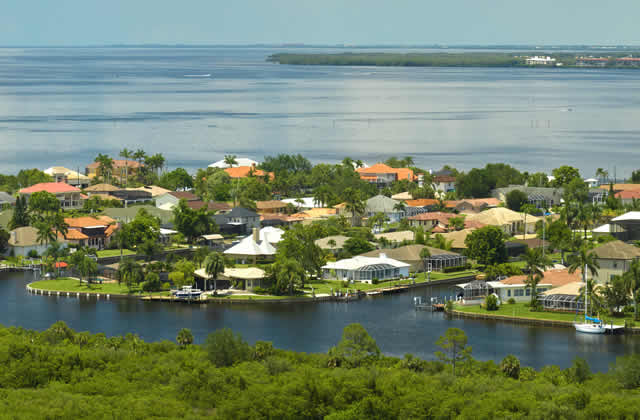
The sunscreen is packed. The group chat is buzzing. And for the first time in years, nobody is arguing about FastPass reservations or debating which Orlando hotel offers the best shuttle service. More families and multi-generational travel groups are quietly—and deliberately—turning their backs on Florida’s mega-parks and heading instead toward something slower, saltier, and far more meaningful.
This shift is more than a travel trend. It reflects a deeper recalibration of what a meaningful vacation actually looks like. Long lines, sensory overload, and four-figure daily budgets have nudged many families toward a different question: what if the best version of Florida isn’t the one being advertised?
This guide explores that quieter Florida—the coastal towns with real character, the planning strategies that make off-the-grid group travel actually work, and the lasting benefits of choosing places where you can hear the tide over the crowd.
The Modern Traveler’s Turn Toward Tranquility
Visitor fatigue at Florida’s major theme parks is well-documented. Walt Disney World’s Magic Kingdom welcomed approximately 17 million visitors in 2023, making it the most-visited theme park in the world, according to the Themed Entertainment Association. That kind of density comes with a cost—not just financially, but experientially.
Research published by the American Psychological Association consistently links nature immersion and reduced sensory stimulation with lower cortisol levels and improved emotional regulation. For families traveling with young children, elderly grandparents, or individuals with sensory sensitivities, the difference between a theme park and a quiet coastal town isn’t just logistical—it’s physiological.
Travelers are listening to their bodies. And their bodies are asking for shade, sea breeze, and unscheduled afternoons.
The Rise Of Multi-Generational Off-The-Grid Retreats
Group travel, particularly multi-generational trips involving grandparents, parents, and young children, has grown substantially in recent years. According to AARP’s 2023 Travel Trends Report, 38% of travelers surveyed had taken or planned a multi-generational trip within the year—a figure that has climbed steadily since 2020.
What makes off-the-grid destinations particularly well-suited to these groups is flexibility. When there’s no ticketed itinerary dictating the day, a grandmother who needs a slow morning can sip coffee on a screened porch while teenagers kayak through a mangrove channel. Nobody is falling behind the group. Nobody is missing out.
Private vacation rental homes in smaller coastal communities also play a significant role here. Unlike hotel corridors and resort lobbies, a well-chosen beach house keeps the group together under one roof—cooking shared meals, watching the same sunset, playing cards without a checkout time looming.
Florida’s Hidden Coastal Gems Worth Knowing
Florida has 1,350 miles of coastline. The vast majority of it remains blissfully uncrowded, particularly outside peak summer weeks.
Apalachicola sits along the Forgotten Coast in the Florida Panhandle, a small historic fishing town where oyster boats still dock in the morning and century-old storefronts sell local honey and handmade pottery. The surrounding St. George Island offers wide, undeveloped beaches managed partly by Florida State Parks—white quartz sand, minimal signage, and a horizon unbroken by resort towers.
Cedar Key, a cluster of islands in the Gulf of Mexico accessible by a single causeway, functions almost like a living time capsule. Artists, birders, and families seeking genuine quiet have quietly discovered it without overwhelming it. The Great Florida Birding Trail passes through, and the surrounding waters are designated as an aquatic preserve.
Name Bay and the Nature Coast corridor stretching from Homosassa to Crystal River draws groups interested in snorkeling with wild manatees in their natural warm-water springs—a wildlife experience with no queuing system, no costumed characters, and no merchandise stands at the exit.
Seaside and Rosemary Beach in the Panhandle offer a more curated aesthetic—planned communities with architectural guidelines that enforce a certain human scale—but remain far removed from the volume of Orlando or Miami Beach.
Each of these destinations rewards the traveler who arrives with curiosity rather than a checklist.
Planning A Successful Off-The-Grid Group Trip
Off-the-grid travel sounds liberating in theory. The execution requires more preparation than a resort vacation, not less.
The first planning priority is accommodation. For groups of six or more, vacation rental platforms such as Vacasa, VRBO, and local property management companies offer large homes with full kitchens, multiple bathrooms, and outdoor spaces that genuinely serve a group’s needs. Booking four to six months in advance is advisable for quality properties in desirable small towns, particularly for summer or holiday windows.
Communication within the group before departure matters enormously. Establishing shared expectations around pace, budget, dietary needs, and connectivity tolerance prevents friction on arrival. Some members may want a day trip to a nearby state park; others may be content reading on the porch for three days. Both are valid. Naming those preferences in advance is what keeps the trip enjoyable for everyone.
Connectivity deserves an honest conversation. Truly off-grid means limited or no reliable cellular service in some of Florida’s more remote coastal zones. Starlink has made satellite internet available in vacation rentals in some areas, but coverage is uneven. Families traveling with remote workers or students should research connectivity before finalizing any booking.
Provisioning locally is both practical and purposeful. Stopping at a farm stand, a local fishmonger, or a small-town bakery on the way in sets the tone for the trip and reduces dependence on chain stores that may not exist in smaller communities.
The Environmental And Cultural Case For Choosing Differently
When travel disperses across lesser-known destinations rather than concentrating at a handful of iconic ones, communities and ecosystems both benefit.
Over-tourism—a term the United Nations World Tourism Organization defines as the impact of tourism on a destination that excessively influences perceived quality of life of citizens and visitor experiences—has measurably affected Florida’s most popular spots. Overcrowded springs, damaged sea grass beds, and parking infrastructure that overwhelms historic town centers are documented consequences of concentrated visitation.
Choosing Apalachicola over a theme park puts spending power into locally owned restaurants, independent fishing operations, and small accommodation providers who reinvest in the community. The economic multiplier effect of locally circulated tourism dollars is significantly higher than revenue captured by multinational resort brands, as noted in research by the American Independent Business Alliance.
Cultural preservation also benefits. Small coastal towns with functioning fishing economies, working waterfronts, and intact historic architecture maintain their identity longer when the visitors who arrive are interested in what actually makes the place itself—not a simulated version of it.
The Long-Term Case For Slow Travel
Families who have made the shift toward quieter, slower destinations often report something that surprised them: they remember more. Not in a vague, sentimental sense—but with specific detail. The way the mullet jumped at dusk. The name of the woman at the bait shop who recommended the good spot. The night the power flickered in the beach house and everyone lit candles and stayed up talking.
Theme parks are engineered for maximum stimulation. Slow travel is engineered for nothing. That absence of engineering is precisely what creates the conditions for real memory and genuine connection.
For multi-generational groups especially, shared downtime builds the kind of relational intimacy that packed itineraries rarely allow. Grandparents and grandchildren need unstructured proximity, not coordinated activities, to actually get to know each other.
Making The Choice That Fits Your Group
Florida’s quieter coast is not a consolation prize. It’s a different kind of richness—one that rewards patience, curiosity, and the willingness to leave the map a little loose.
Start by identifying one region that genuinely interests your group: the Forgotten Coast, the Nature Coast, or the Emerald Coast’s less-developed stretches. Research one or two vacation rental properties early, reach out to local tourism boards for current conditions and events, and resist the urge to over-schedule.
The tide will do enough.
- American Psychological Association. (2020). Nurtured by nature: Wellness and the natural world. https://www.apa.org/monitor/2020/04/nurtured-nature
- AARP. (2023). 2023 Travel Trends Report. https://www.aarp.org/travel/travel-tips/experts/info-2023/travel-trends.html
- Themed Entertainment Association & AECOM. (2024). Global Attractions Attendance Report 2023. https://www.teaconnect.org/insights/global-attractions-attendance-report
- United Nations World Tourism Organization. (2019). UNWTO Report on Overtourism. https://www.unwto.org/overtourism
- American Independent Business Alliance. (2022). Local Economic Impact of Independent Business. https://www.amiba.net/resources/multiplier-effect
- Florida State Parks. (2024). St. George Island State Park. https://www.floridastateparks.org/parks-and-trails/st-george-island-state-park
- Florida Fish and Wildlife Conservation Commission. (2023). Crystal River National Wildlife Refuge & Manatee Programs. https://myfwc.com/wildlifehabitats/managed/manatee
image credit: envato.com
Comments