

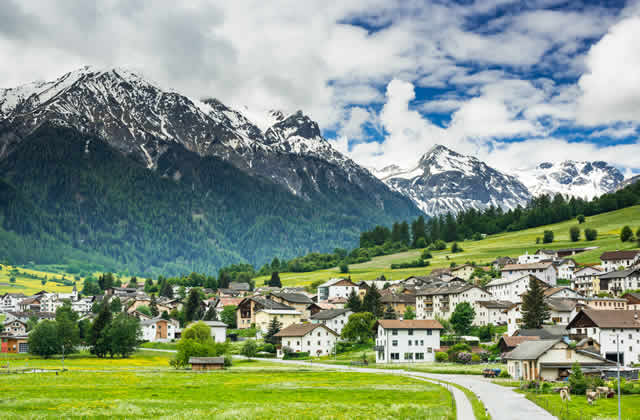
Choosing between visiting Switzerland in the summer or the winter is a dilemma that many travelers face. It is a delightful problem to have, as this central European nation offers two distinctly beautiful personalities depending on the time of year.
You might be dreaming of lush, green valleys that look like they were plucked from a storybook, or perhaps you envision yourself sipping hot cocoa in a chalet while snow gently falls outside.
Planning a trip can sometimes feel overwhelming, especially when a destination offers such contrasting experiences. We want to help you navigate this decision with ease. By understanding the unique rhythms of the Swiss seasons, you can tailor a journey that aligns perfectly with your travel style and personal preferences.
Whether you seek the warmth of the sun on a hiking trail or the exhilaration of a ski slope, Switzerland has a way of welcoming you with open arms.
The Allure of a Swiss Summer
When the snow melts and the meadows burst into life, Switzerland transforms into a playground for nature lovers. Summer, typically spanning from June to August, reveals a landscape painted in vibrant greens and blues. The weather is generally mild and pleasant, making it the ideal time for those who wish to explore the outdoors without the burden of heavy winter gear.
Hiking enthusiasts will find their paradise here during the warmer months. With over 65,000 kilometers of marked trails, the country invites you to walk at your own pace. You might find yourself wandering through the Bernese Oberland, where the trails offer breathtaking views of the Eiger, Mönch, and Jungfrau peaks.
These paths are accessible and well-maintained, ensuring that even casual walkers can safely enjoy the high-altitude scenery. The beauty of summer hiking lies in the wildflowers that carpet the valleys and the gentle chime of cowbells that creates a soothing soundtrack to your journey.
Water activities also take center stage during this season. The pristine lakes, such as Lake Geneva, Lake Lucerne, and Lake Zurich, become hubs of relaxation and recreation.
You can take a leisurely steamboat cruise to admire the vineyards and castles lining the shores, or simply find a quiet spot to swim in crystal-clear waters. The cities come alive as well, with locals and tourists alike gathering at riverside cafés and open-air festivals, soaking in the long daylight hours that stretch well into the evening.
The Magic of a Swiss Winter
As the temperatures drop and the days grow shorter, Switzerland dons a sparkling white coat, turning into the winter wonderland often depicted on postcards. From December to March, the Alps dominate the landscape, calling out to those who love snow sports and cozy atmospheres. If you are seeking a holiday centered around warmth, tradition, and adrenaline, winter might be your season.
Skiing and snowboarding are, of course, the primary draws. Switzerland is home to some of the world’s most renowned ski resorts, including Zermatt, St. Moritz, and Verbier. These destinations offer impeccable infrastructure, ensuring that your time on the mountain is seamless and enjoyable.
However, you do not need to be an expert skier to appreciate the Swiss winter. Winter hiking trails and toboggan runs provide exhilarating ways to experience the snow without strapping on skis.
Beyond the slopes, winter in Switzerland is deeply atmospheric. This is the season of Gemütlichkeit—a feeling of warmth, friendliness, and good cheer. Imagine settling into a rustic mountain hut after a day in the cold, sharing a bubbling pot of cheese fondue or raclette with loved ones.
The Christmas season adds another layer of enchantment. Cities like Basel, Montreux, and Zurich host spectacular Christmas markets where the air is filled with the scent of roasted chestnuts and mulled wine. Wandering through these illuminated stalls offers a sense of community and festive joy that is hard to replicate elsewhere.
Considerations for Your Journey
While both seasons are spectacular, it is helpful to consider the practical aspects of your trip to ensure a stress-free experience. Crowds can be a factor during peak times in both summer and winter. July and August attract significant numbers of tourists, which can lead to busier trails and higher accommodation prices.
Similarly, the weeks surrounding Christmas and the February school holidays are peak times for ski resorts. If you prefer a quieter experience, you might consider visiting during the shoulder seasons—late spring or early autumn—though you should be mindful of variable weather conditions during these times.
Budget is another important consideration. Switzerland is known for being a higher-cost destination, regardless of when you visit. However, winter trips involving skiing can be particularly expensive due to the costs of lift passes and equipment rentals.
Summer offers more opportunities for free or low-cost activities, such as hiking and swimming, which can be helpful for families or travelers keeping an eye on their spending.
Weather reliability also varies. Summer days are generally warm, but mountain weather is unpredictable, and rain showers can occur. In winter, lower altitudes may not always have snow, although the high-altitude resorts are usually reliable.
Packing layers is essential no matter when you visit, ensuring you are comfortable and prepared for nature’s whims.
Insider Tips for a Smooth Experience
To make the most of your Swiss adventure, we recommend looking into the Swiss Travel Pass. This all-in-one ticket provides unlimited travel on the country’s excellent train, bus, and boat network.
It not only simplifies your logistics—eliminating the need to buy individual tickets—but also grants you free entrance to hundreds of museums. It is a wonderful tool for reducing travel stress and allowing you to move freely through the country.
Dining out in Switzerland can be pricey, but there are ways to enjoy local flavors without overspending. Many supermarkets, such as Migros and Coop, have high-quality restaurants or takeaway sections offering fresh, delicious meals at a fraction of the cost of a sit-down restaurant.
This is also a great way to picnic by a lake or on a mountain trail, connecting you even more closely with the beautiful surroundings.
Finally, pay attention to local festivals. In autumn, the Désalpe (alpine descent) sees cows descending from summer pastures adorned with flowers, a heartwarming tradition that celebrates Swiss rural life. In summer, the Montreux Jazz Festival brings world-class music to the shores of Lake Geneva.
Aligning your trip with these cultural events can provide a deeper connection to the local community and create memories that go beyond sightseeing.
Crafting Your Swiss Memories
Ultimately, the decision between summer and winter depends on what brings you joy. If your soul feels most at peace when surrounded by wildflowers and glittering lakes, summer is your calling. If you crave the thrill of the slopes and the comfort of a fire-lit room, winter awaits.
Both seasons offer the impeccable hospitality, safety, and breathtaking beauty that Switzerland is famous for. Trust your instincts, and know that whichever season you choose, the mountains will be there to welcome you.
- MySwitzerland. (n.d.). Hiking in Switzerland. Switzerland Tourism.
- MySwitzerland. (n.d.). Winter Vacation. Switzerland Tourism.
- SBB CFF FFS. (n.d.). Swiss Travel Pass. Swiss Federal Railways.
- Lonely Planet. (2023). Switzerland Travel Guide. Lonely Planet.
image credit: envato.com
Comments